
Window tinting laws by state in 2025 are based on Visible Light Transmission (VLT) percentages, which decide how dark windows can be. Each state sets different VLT limits for safety, driver visibility, and law enforcement. Knowing these laws ensures legal compliance and avoids fines or inspection issues.
Introduction: Why Tint Laws Matter
If you’ve ever thought about darkening your car windows, you’ve probably asked the same question thousands of drivers do: “Is this legal in my state?” That’s where window tint regulations come in. Every U.S. state has its own rules, and they all revolve around one simple but important number: VLT, or Visible Light Transmission.
In plain terms, VLT measures how much light can pass through your window. A higher VLT (like 70%) means the film is lighter, while a lower VLT (like 20% or 5%) means the tint is darker. Sounds simple, right? But here’s the catch: what’s perfectly fine in one state could get you fined in another. That’s why knowing your state’s legal tint percentage isn’t just useful — it’s essential.
For car owners, this knowledge protects you from tickets and failed inspections. For auto repair shops, it’s the difference between giving customers confidence or risking bad reviews. Car modification businesses rely on the right films to deliver performance and style without crossing legal lines. And for wholesalers or distributors, stocking the wrong VLT percentages means unsellable inventory and unhappy clients.
This is exactly why we created this guide — to give you a clear, state-by-state breakdown that saves time, avoids confusion, and helps you stay compliant.
And here’s the real advantage: as a professional window tint manufacturer, Super Film doesn’t just explain the laws — we help you meet them. As a professional factory, Super Film provides state-compliant window tint films directly from production lines to your shop or warehouse — ensuring both quality and cost advantage.
So whether you’re a driver double-checking your next tint job, an installer looking for a reliable car tint supplier, or a distributor searching for wholesale automotive film that passes every regulation, this guide is built to give you both information and solutions — factory-direct.
What Are the Window Tinting Laws by State in 2025?
When people search for car tint laws, they’re usually looking for one thing: “What’s the legal percentage where I live?” The answer depends on VLT (Visible Light Transmission) — how much light must pass through your car windows. Every state sets its own rules, and they usually differ for the front side windows, back side windows, rear window, and windshield.
That’s why we created this automotive film VLT chart below — a simple, state-by-state breakdown of legal car window tint 2025 percentages. Whether you’re a driver checking compliance, an installer explaining options, or a distributor stocking the right films, this chart gives you a fast, reliable reference.
Window Tinting Laws by State (2025 VLT Chart)
| State | Front Side Windows | Back Side Windows | Rear Window | Windshield |
|---|---|---|---|---|
| Alabama | 32% | 32% | 32% | Top 6 inches |
| Alaska | 70% | 40% | 30% | Top 5 inches |
| Arizona | 33% | Any | Any | Top AS-1 line |
| Arkansas | 25% | 25% | 10% | Top 5 inches |
| California | 70% | Any | Any | Top 4 inches |
Window Tint Laws by State (Table)
If you’ve ever been stopped and asked, “Do you know your windows are too dark?” you already understand how important it is to know the legal VLT (Visible Light Transmission) in your state. Laws aren’t the same everywhere — some states allow darker tints, while others keep things very strict. That’s why we pulled together this window tint chart for all 50 states in 2025.
Think of it as your one-stop U.S. tint rules guide: simple, clear, and mobile-friendly. Whether you’re a car owner double-checking before you book an install, or a shop making sure you’re selling the right films, this chart keeps you on the safe side of window tinting compliance.
U.S. Window Tint Percentages by State (2025 Legal VLT)
| State | Front Side Windows | Back Side Windows | Rear Window | Windshield |
|---|---|---|---|---|
| Alabama | 32% | 32% | 32% | Top 6 inches |
| Alaska | 70% | 40% | 30% | Top 5 inches |
| Arizona | 33% | Any | Any | Above AS-1 line |
| Arkansas | 25% | 25% | 10% | Top 5 inches |
| California | 70% | Any | Any | Top 4 inches |
| Colorado | 27% | 27% | 27% | Top 4 inches |
| Connecticut | 35% | 35% | Any | Non-reflective above AS-1 |
| Delaware | 70% | Any | Any | Top 4 inches |
| Florida | 28% | 15% | 15% | Top AS-1 line |
| Georgia | 32% | 32% | 32% | 6 inches |
| Hawaii | 35% | 35% | 35% | 70% above AS-1 |
| Idaho | 35% | 20% | 35% | Top AS-1 line |
| Illinois | 35% | 35% | 35% | 6 inches |
| Indiana | 30% | 30% | 30% | Top AS-1 line |
| Iowa | 70% | Any | Any | Top AS-1 line |
| Kansas | 35% | 35% | 35% | Top AS-1 line |
| Kentucky | 35% | 18% | 18% | Top AS-1 line |
| Louisiana | 40% | 25% | 12% | Top AS-1 line |
| Maine | 35% | Any | Any | 70% light transmission |
| Maryland | 35% | 35% | 35% | Top 5 inches |
| Massachusetts | 35% | 35% | 35% | 6 inches |
| Michigan | Any | Any | Any | Top 4 inches |
| Minnesota | 50% | 50% | 50% | Top AS-1 line |
| Mississippi | 28% | 28% | 28% | Top AS-1 line |
| Missouri | 35% | Any | Any | Top AS-1 line |
| Montana | 24% | 14% | 14% | Net 70% light |
| Nebraska | 35% | 20% | 20% | Top 5 inches |
| Nevada | 35% | Any | Any | Above AS-1 line |
| New Hampshire | 70% | Any | Any | No tint below AS-1 |
| New Jersey | No tint allowed | Any | Any | No tint below AS-1 |
| New Mexico | 20% | 20% | 20% | Top 5 inches |
| New York | 70% | 70% | 70% | Top 6 inches |
| North Carolina | 35% | 35% | 35% | Top AS-1 line |
| North Dakota | 50% | Any | Any | Above AS-1 line |
| Ohio | 50% | Any | Any | Top 5 inches |
| Oklahoma | 25% | 25% | 25% | Top 5 inches |
| Oregon | 35% | 35% | 35% | 6 inches |
| Pennsylvania | 70% | 70% | 70% | Top 3 inches |
| Rhode Island | 70% | 70% | 70% | Top AS-1 line |
| South Carolina | 27% | 27% | 27% | Above AS-1 line |
| South Dakota | 35% | 20% | 20% | Above AS-1 line |
| Tennessee | 35% | 35% | 35% | Above AS-1 line |
| Texas | 25% | 25% | Any | 25% light transmission |
| Utah | 43% | Any | Any | Above AS-1 line |
| Vermont | No tint allowed | Any | Any | No tint below AS-1 |
| Virginia | 50% | 35% | 35% | Top AS-1 line |
| Washington | 24% | 24% | 24% | Top 6 inches |
| West Virginia | 35% | 35% | 35% | Top 5 inches |
| Wisconsin | 50% | 35% | 35% | Top AS-1 line |
| Wyoming | 28% | 28% | 28% | Top 5 inches |
How to Use This Chart
- Drivers → Double-check before you tint, avoid fines.
- Shops → Use this chart to advise customers confidently.
- Distributors → Match your stock to these tint percentages by state to avoid compliance
Understanding Tint Law Terminology
To truly understand U.S. tint rules, it helps to get familiar with the technical terms that shape every law. The most fundamental is VLT % (Visible Light Transmission), the measurement of how much visible light passes through both the glass and the applied film. A higher VLT, such as 70%, means the window appears lighter and lets in more light, while a lower VLT like 20% results in a darker finish that limits visibility. Most state regulations define their limits using this number, making it the foundation of all tint percentages by state. Another key term is the AS-1 line, a small marking on windshields that serves as a legal boundary; many states allow non-reflective tint only above this line to reduce glare while ensuring clear forward visibility. Certain states also provide for medical exemptions, permitting individuals with documented health conditions such as light sensitivity to use darker tints than the law normally allows, provided they carry the proper certification. Enforcement of these rules relies on technology: officers and inspectors use a tint meter to conduct VLT testing during an auto tint inspection, giving an exact digital reading of whether a vehicle meets legal car tint compliance standards. For car owners, understanding these terms is the first step to avoiding costly penalties, while for auto repair shops, car modification businesses, and wholesale distributors, it is essential knowledge to provide accurate guidance and maintain trust with customers. This is where the value of a factory window tint film supplier becomes clear — by working directly with a professional window tint manufacturer like Super Film, you gain access to state-compliant products that are precisely engineered, rigorously tested, and delivered factory-direct to ensure consistent performance, competitive cost, and total compliance in every market.
Why Tint Laws Differ by State
One of the first things people ask when they look at a window tint chart is: “Why does my state have different limits than the one next door?” The answer comes down to three main factors — climate, safety, and law enforcement visibility — and once you see the reasoning, the patchwork of U.S. regulations makes more sense.
In hotter states like Arizona, Nevada, or Florida, lawmakers know that cars are exposed to extreme sun and heat for most of the year. Here, slightly darker films are often permitted because they improve comfort and reduce air-conditioning load. Drivers benefit from heat rejection, UV protection, and infrared rejection, all of which help preserve the interior and protect skin from harmful rays. By contrast, northern states with long winters and fewer sunny days often keep stricter rules, requiring higher VLT percentages so that visibility is never compromised in low-light or snowy conditions.
Safety is another core concern. States balance style and comfort with the need for clear outward visibility. Too dark a tint on the front windows can prevent drivers from spotting pedestrians, cyclists, or obstacles, especially at night. And finally, there’s the issue of law enforcement visibility: many states set higher VLT requirements on front side windows so officers can clearly see inside vehicles during traffic stops, which is considered a safety measure for both drivers and police.
At Super Film, we understand that these regional differences aren’t just legal details — they shape real-world product demand. That’s why our nano ceramic tint, dyed film, and carbon tint options are all carefully engineered by our R&D team to align with varying regulations. Our nano-ceramic films and dyed films are engineered to meet these regional differences, from hot climates to stricter safety states. Whether your shop needs maximum heat rejection films for southern markets or higher-VLT products for compliance in northern states, we design and manufacture solutions that give you both performance and peace of mind.
Compliance Tips for Car Owners
If you’ve ever worried, “What if my tint is too dark?” — you’re not alone. Many drivers install film based on looks or heat control, only to later discover that their state requires a lighter shade. That mistake can lead to car window tint fines, inspection problems, and even the hassle of removing the film altogether. Understanding how to check compliance before you tint saves time, money, and frustration.
The first step is knowing how to measure tint. While some people try to guess by comparing shades, the only reliable way is through VLT testing. Professional shops and inspectors use a device called a tint meter, which clamps onto your window and shows the exact percentage of light passing through. If your state requires 70% on the front side windows but your reading is closer to 30%, that’s a violation — even if the film was sold to you as “light.”
So what happens if your tint is illegal? In most cases, you’ll face car inspection tint failures during annual checks or random roadside stops. Police officers often carry portable tint meters, and if your reading doesn’t meet the law, you’ll be issued a ticket. Beyond fines, you may be required to undergo illegal tint removal, which means paying for the labor of stripping and possibly reapplying a compliant film. This process not only costs money but can also risk damaging the glass or defroster lines if not handled correctly.
The bigger issue is vehicle safety compliance. Too-dark windows may look stylish, but they reduce visibility at night and in bad weather, which increases accident risk. Compliance laws aren’t designed to limit your choices — they’re there to balance comfort, safety, and visibility. That’s why sourcing your film from a trusted factory manufacturer like Super Film matters. Our VLT options are engineered for clarity, tested for accuracy, and guaranteed to match legal car tint compliance standards in every state, helping you enjoy performance without the risk of fines or failed inspections.
Guidance for Auto Shops & Installers (Factory Connection)
Running a tint shop isn’t just about installing film — it’s about giving customers the confidence that their car will pass inspection and stay looking sharp for years. That’s why the window tint chart by state isn’t just for car owners; it’s a daily tool for every professional tint installer. When you show customers the exact legal VLT percentages and guide them toward compliant choices, you not only avoid future complaints but also position your shop as a trusted expert in vehicle safety compliance.
Of course, advice alone isn’t enough — you also need the right products. That’s where working with a factory-direct auto shop tint supplier makes all the difference. Instead of juggling multiple middlemen or inconsistent film quality, you can source bulk tint rolls straight from Super Film’s production line. Factory-direct means lower costs, stable supply, and access to the full range of shades your state laws require. And because we’re a manufacturer, we can also provide tailored solutions — from roll sizes to private label packaging — so your shop looks as professional as your installs.
Quality is just as critical as compliance. Every roll of our anti-yellowing film is designed for long-term clarity, and our 10-year warranty ensures zero yellowing, no haze, and strong adhesive performance. That means once you apply Super Film, you won’t deal with premature fading, poor adhesion, or unhappy customers coming back with warranty claims. Instead, you can focus on what really matters: delivering smooth installs and building long-term customer loyalty.
👉 For shops that want to stand out, using this chart to advise customers, combined with factory-direct sourcing from Super Film, is the winning formula: knowledge, compliance, and premium materials — all at wholesale pricing that strengthens your bottom line.
Insights for Distributors & Wholesalers
If you’re a distributor, you know the challenge isn’t just moving product — it’s moving the right product. Stocking films that don’t match state-compliant VLTs can leave you sitting on unsellable rolls and disappointed clients. Imagine selling a 20% tint in a state where only 35% or higher is legal: your customer comes back with fines, failed inspections, and frustration, and your reputation takes the hit. This is why serious distributors treat compliance as non-negotiable — it protects both revenue and relationships.
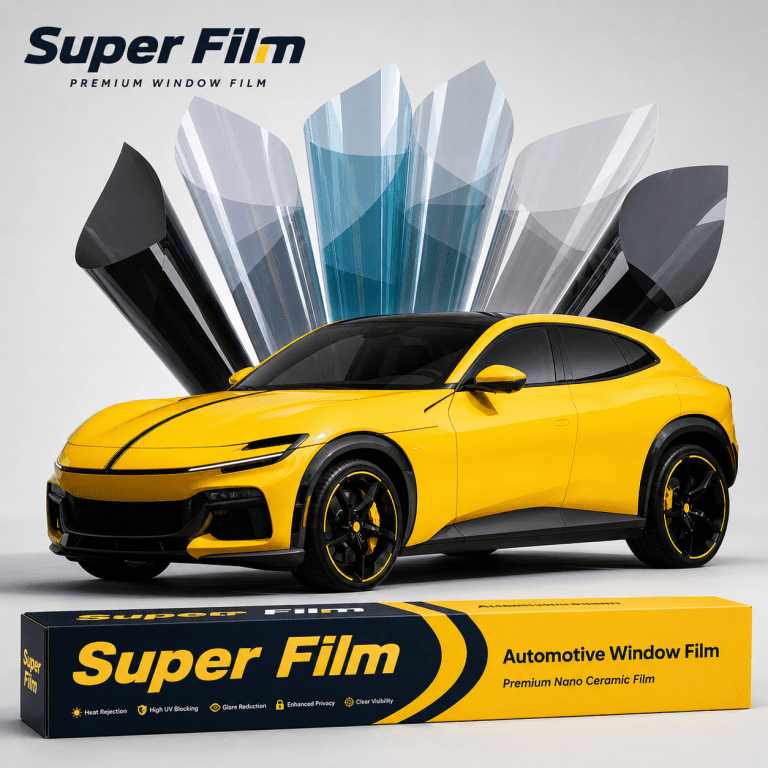
That’s where Super Film comes in. As a tint rolls factory with full-scale production capacity, we provide the complete VLT spectrum: 5%, 10%, 15%, 20%, 35%, 45%, 50%, 70%. With this full range, you can supply shops in every region confidently, knowing you’re covered whether the local demand is for very light tints in stricter states or darker shades in hotter climates. No guesswork, no gaps — just bulk car window tinting that matches real market needs.
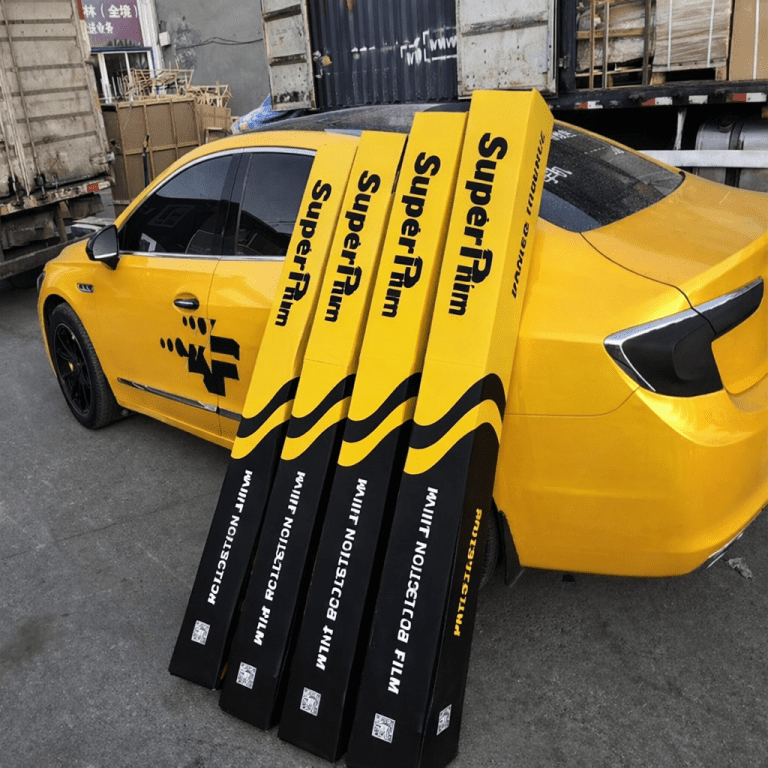
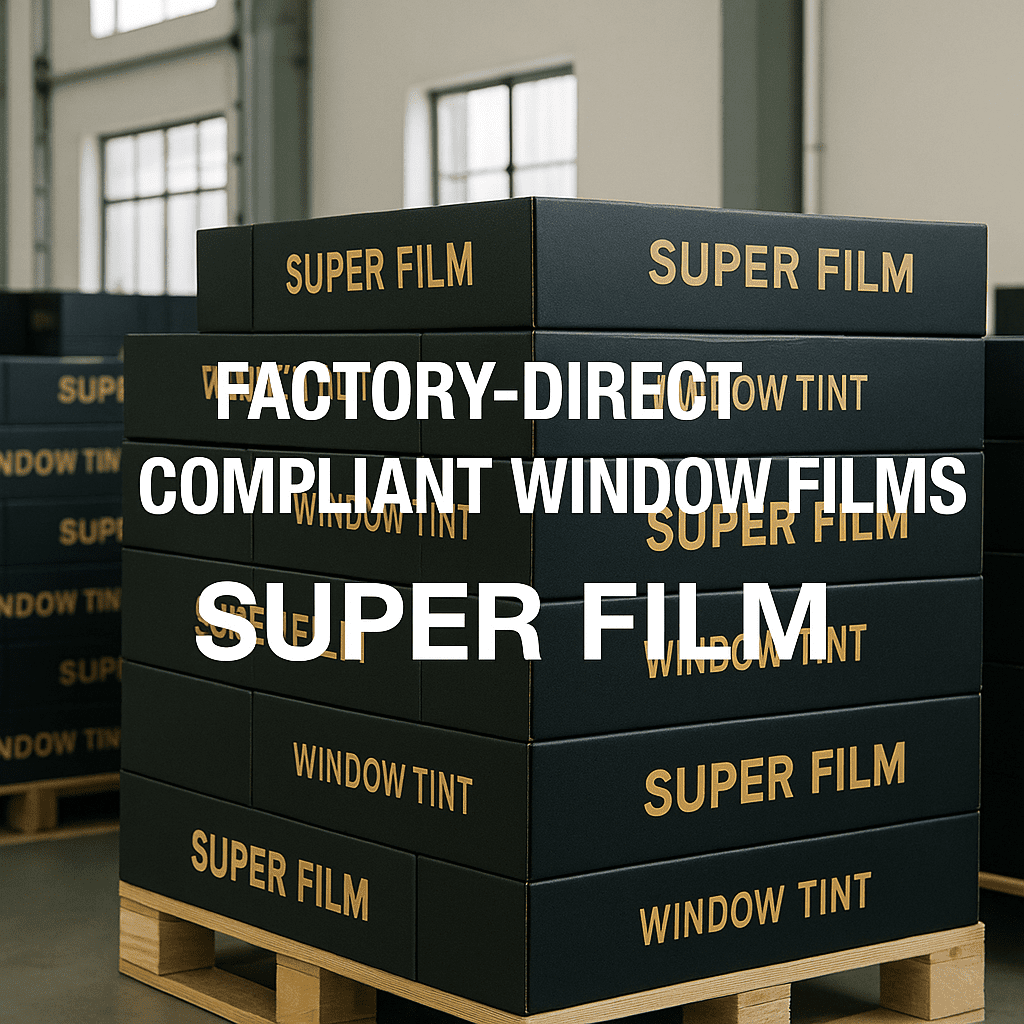
But compliance is only half the story. Distributors also compete on brand and presentation, and that’s why we offer full OEM/ODM automotive film solutions. From custom packaging in premium black-gold finishes, to labels, logos, and anti-counterfeit marks, Super Film makes it easy for you to build or strengthen your brand while still benefiting from wholesale window film pricing. Instead of reselling generic rolls, you can offer a professional, branded line that stands out in your region — and your customers see you as a true industry leader, not just another supplier.
In short, success for wholesalers isn’t just about buying low and selling high; it’s about sourcing from the right distributor tint supplier — one that ensures legal car tint compliance, provides every VLT option you need, and delivers the flexibility of OEM car tint customization. With Super Film, you get all of this direct from the factory, giving you the competitive edge to grow your distribution network with confidence.

FAQs (Snippet Expansion)
Even with a full window tint chart, some questions come up again and again. Here are the most common ones drivers, shops, and distributors ask — answered clearly so you can stay ahead of state tint limits and avoid mistakes.
Which state allows the darkest tint?
If you’re looking for the darkest legal tint, the states with the most relaxed laws are usually in the South and Southwest. For example, states like New Mexico allow as low as 20% VLT on front side windows, while Arizona and Texas also permit darker shades compared to stricter regions. That means you can drive with a sleek, privacy-focused look in those areas — but remember, if you cross into a stricter state, your film may no longer be compliant.
Which state requires 70% VLT?
On the other end of the spectrum, the lightest tint laws are found in states like California, New York, and Pennsylvania, where 70% VLT is required on the front side windows. This means the tint has to be very light and nearly transparent. These states prioritize visibility and safety, especially in dense urban environments where law enforcement visibility is a top concern. If you’re a distributor or shop working in these markets, it’s essential to stock lighter films that align with these rules.
What happens if I fail inspection for tint?
Failing an automotive tint inspection can be more than just an inconvenience. First, you’ll likely face a citation and be required to remove the non-compliant film, which means added costs for illegal tint removal. Second, until you replace it with legal film, you may not be able to renew your registration or pass safety checks. This can disrupt your schedule and cost you both time and money. For shops, advising customers correctly is crucial — a single failed inspection can hurt both your reputation and customer trust.
How do shops choose legal films?
Professional installers and shops use two key tools: knowledge of local state tint limits and trusted suppliers. By referencing the legal tint for shops in their region, they can recommend the right VLT percentage for each customer. But the real secret is sourcing from a manufacturer that offers a complete VLT range — so no matter the state, you always have the right option on hand. That’s exactly why Super Film produces 5%, 10%, 15%, 20%, 35%, 45%, 50%, and 70% VLT films, giving shops a full toolkit to ensure compliance without compromise.
👉 Takeaway: Whether you’re curious about the darkest legal tint, checking states with lightest tint laws, or preparing for an automotive tint inspection, the answer always circles back to compliance. And when shops and distributors partner directly with a factory manufacturer like Super Film, they gain not only every VLT option but also the confidence that every roll supports legal tint for shops and long-term customer satisfaction.
Conclusion & CTA
At the end of the day, understanding state tint laws isn’t just paperwork — it’s the foundation of success for everyone in the automotive film industry. For car owners, it means avoiding fines and staying safe on the road. For shops and installers, it means giving customers confidence with compliant installations. And for distributors, it means stocking the right films to protect your reputation and your business. In short, compliance isn’t optional — it’s vital.
But here’s the difference: Super Film is not just another supplier — we are a professional automotive film manufacturer. As a true factory window tint film producer, we deliver the full VLT range (5%, 10%, 15%, 20%, 35%, 45%, 50%, 70%), plus OEM/ODM support for private labels, logos, and packaging. Add in our factory-direct pricing and you have exactly what today’s market demands: compliant, high-performance products at competitive wholesale rates. Whether you need wholesale PPF and tint, or a long-term partnership with a professional tint supplier, Super Film is engineered to support your growth.
👉 Don’t just read the laws — get the films that make compliance easy.
[Request Wholesale Pricing or Samples Today]