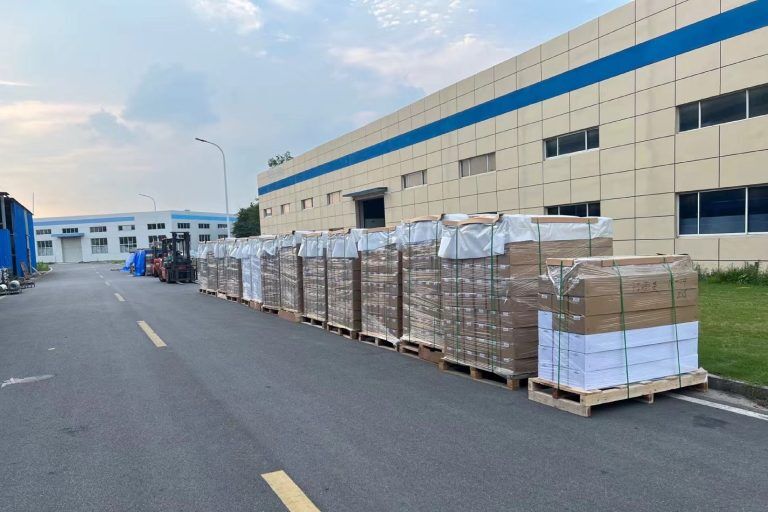

Are you looking to import car window film from China to the USA for your business? Whether you’re a new auto beauty shop, a car modification business, or a wholesaler looking for high-quality, cost-effective products, importing directly from China can provide numerous advantages. This guide will take you through the entire process, from finding the right suppliers to understanding legal requirements and handling shipping logistics. But first, let’s take a look at why importing from China is such a popular option for businesses in the USA.
To import auto window film from China to the United States, follow these steps: research reliable suppliers, understand U.S. customs regulations, and calculate tariffs. Choose the right shipping method (air or sea), work with freight forwarders and customs brokers, and ensure safety standards are met. This process ensures productive, smooth and legal imports.
Why Import Car Window Film from China?
When it comes to sourcing car window film for your business, one of the most compelling reasons to look towards China is cost-effectiveness. Let’s face it: buying from domestic suppliers can quickly become expensive, especially when you factor in overhead costs, distributor markups, and limited bulk discounts. On the other hand, by importing directly from Chinese manufacturers, you cut out those middlemen, which means you’re paying much closer to the production cost. This translates into lower prices per unit, allowing you to save money on your initial investment. For businesses just starting out or those looking to scale, this can make a huge difference in your profit margins—especially when you’re purchasing in bulk.
But cost isn’t the only advantage. Product variety is another huge benefit when you source from China. The Chinese manufacturing market is massive, and it provides access to a wide range of car window films that may not even be available in the USA. Whether you’re looking for window tints with advanced heat-blocking technology, UV protection films, or anti-glare coatings, China has an impressive array of options. Plus, Chinese manufacturers often stay ahead of trends, developing innovative products that are cutting-edge. If you’re aiming to offer your customers something unique, importing from China is a great way to expand your offerings beyond the standard products available locally.
Finally, customization potential is a game-changer for many businesses. Certain suppliers in China offer customizable car window films, allowing you to tailor products to meet specific customer needs or even create your own branded film. Whether it’s tweaking the tint level, adding special coatings, or incorporating custom logos or colors, the flexibility in customization means you can offer more personalized options to your clients. This is especially valuable for auto beauty and modification shops that want to stand out with unique or high-performance solutions that cater to a niche market.
In summary, importing car window film from China offers clear benefits in terms of cost, variety, and customization. By sourcing directly from manufacturers, you’re not just saving money—you’re also gaining access to a diverse selection of products and unique options that can help elevate your business and differentiate you from the competition. Ready to dive into the process? Let’s take the next step together!
Finding Reliable Suppliers in China
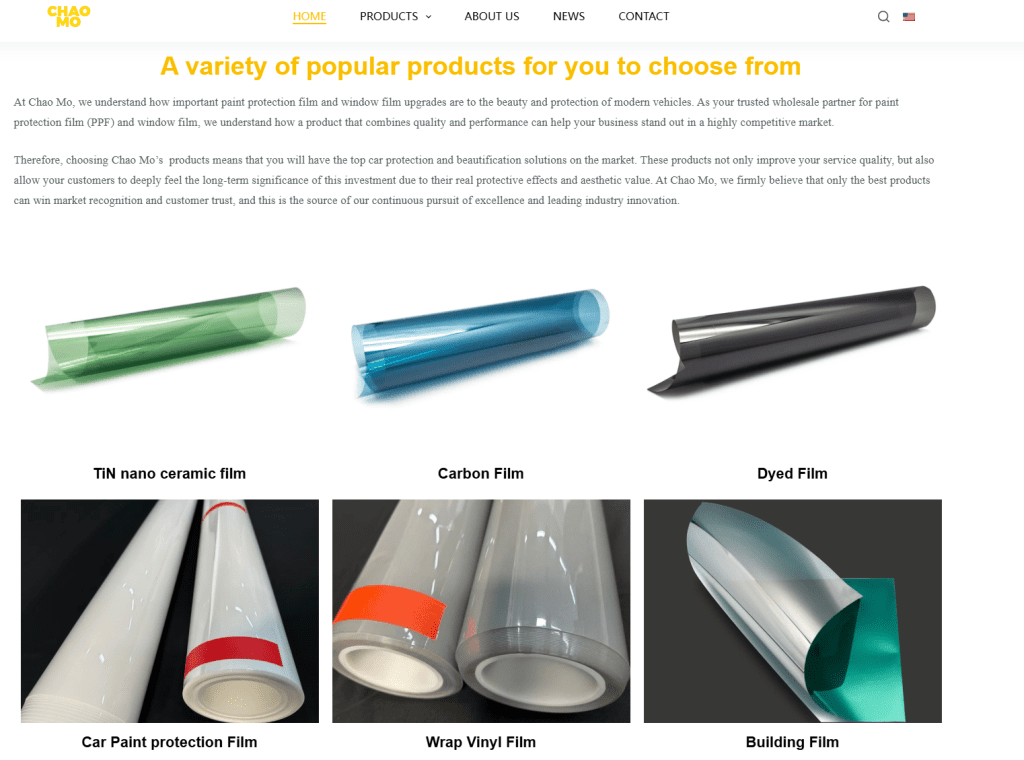
When it comes to finding a reliable supplier for your car window film, *researching suppliers in Google website, Alibaba, which connectsverified profiles,trade shows **Canton Fair can bereferrals can be a great way to find trustworthy suppliers who have already established a reputation in the market. Getting feedback from others can help you narrow down your options to those with a proven track record.
Once you’ve identified potential suppliers, evaluating their credentials is essential to ensure you’re choosing a reputable partner. Look for important certifications like ISO 9001 (which ensures quality management systems) or SGS certifications for product testing, as these demonstrate the supplier’s commitment to meeting global standards. Checking customer reviews is another crucial step—read through feedback from other buyers, especially those who have purchased similar products, to gauge the quality and reliability of the supplier. Always ask for product samples so you can test the window film’s performance and durability before committing to a large order. If you’re serious about long-term collaboration, consider conducting a factory audit to inspect the manufacturing process in person and ensure everything meets your expectations, further safeguarding your investment.
Building strong, long-term relationships with your suppliers is vital for ensuring smooth, ongoing transactions. Establish clear and open communication from the start, making sure your supplier understands your quality requirements, delivery timelines, and any special product features you may need. It’s also essential to negotiate favorable terms such as payment schedules, lead times, and return policies to avoid future misunderstandings. If you’re planning to place repeat or bulk orders, securing a long-term partnership can be mutually beneficial, as it often leads to better pricing, more flexible terms, and a stronger working relationship over time, ensuring that your business gets the best possible service and support.
Navigating the Legal and Regulatory Process
Customs Requirements
First things first: You need to understand the customs regulations for importing car window film. U.S. Customs and Border Protection (CBP) is responsible for enforcing the rules, and they require all goods entering the U.S. to be properly classified. Car window film typically falls under a tariff code used for automotive products, but correct classification is crucial. For instance, car window tinting films generally fall under HTS Code 3920.10 (plastic sheets or films), but specific codes may vary depending on the type of film and its characteristics (e.g., UV-blocking, heat-resistant). Incorrectly classifying your product can lead to fines, delays, or seizures at the border.
Beyond classification, you also need to file the correct import declaration with CBP. This includes providing a detailed invoice, bill of lading, and packing list that clearly identify the goods. Failing to meet these requirements can lead to your shipment being delayed or even rejected. One helpful tip: work with a customs broker—a licensed professional who can help you navigate the complexities of customs regulations and ensure that everything is filed correctly. Customs brokers usually charge between $100 and $300 per shipment, depending on the complexity of the import, but their expertise is invaluable in ensuring your imports clear customs smoothly.
Tariffs and Duties
When importing car window film, it’s crucial to calculate the tariffs and duties you’ll be responsible for. The U.S. imposes tariffs on many imported goods, and car window films are no exception. As of the most recent tariff updates, automotive products, including window films, can be subject to tariffs ranging from 0% to 15%, depending on the classification and country of origin. For example, imports from China may be subject to additional tariffs under U.S.-China trade policies. According to the U.S. Trade Representative (USTR), many products imported from China have an additional tariff of 25% under Section 301 of the Trade Act of 1974.
So, how do you calculate the total cost? Let’s say you’re importing $10,000 worth of car window film from China, and the tariff rate is 25%. The additional tariff would be $2,500 (25% of $10,000), which means your total import cost becomes $12,500. It’s important to add these costs into your pricing strategy to ensure you’re still making a profit after factoring in tariffs, shipping, and other import-related expenses. Keep in mind that tariffs are subject to change, so it’s essential to stay updated on trade agreements and tariff rates, especially if you’re importing from countries like China.
Compliance with US Standards
U.S. regulations for automotive window film go beyond customs—it’s vital that your products meet certain industry-specific certifications and quality standards. Depending on the state, there are different legal standards for tinting films, but at a national level, the Federal Motor Vehicle Safety Standard (FMVSS) and ANSI Z26.1 (for safety glazing materials) apply to automotive window films. FMVSS 205, for example, mandates that any film used in automotive applications must have proper optical properties to ensure driver safety. This means the films you import must meet minimum requirements for visibility, reflectivity, and UV protection.
Most manufacturers in China will be able to provide ISO 9001 certification, which demonstrates that their production processes are consistent with international quality standards. However, make sure you confirm that the films have passed U.S. safety tests before importing. You can also request product samples and have them tested in a U.S.-based laboratory to ensure they meet the necessary specifications, such as UV-blocking capabilities or shatter resistance. For instance, some states require films to block at least 99% of UV radiation.
Moreover, states like California, New York, and Texas have specific laws governing the maximum tint allowed on car windows. Some states require film to be non-reflective or limit the amount of visible light transmission (VLT). If your window film does not comply with these standards, it could be subject to fines or forced removal from vehicles. Being proactive by verifying compliance will save you from regulatory headaches later.
Import Restrictions
One of the often-overlooked areas of importing automotive window films is the potential restrictions on materials used in manufacturing the films. Some chemicals, such as polyvinyl chloride (PVC) or certain plasticizers, have been regulated or banned due to environmental concerns. For example, the U.S. Environmental Protection Agency (EPA) has strict guidelines on the use of phthalates, which are used in certain plastic products, including window films. If your supplier uses restricted chemicals in their films, it can result in customs hold-ups or even fines. To avoid this, ensure that your supplier follows the latest REACH regulations or other chemical safety standards.
Additionally, be aware of the Environmental Protection Agency’s (EPA) guidelines on formaldehyde emissions and flame retardants, which are relevant to the manufacturing of certain plastics. While car window film typically doesn’t involve these chemicals directly, it’s crucial that your supplier adheres to all local and international safety protocols regarding chemicals used in film production. If your product fails to meet these requirements, you risk shipment rejection or non-compliance penalties.
In conclusion, understanding and complying with U.S. regulations is essential when importing car window film. From understanding customs classification to calculating tariffs, ensuring compliance with safety standards, and confirming material restrictions, each step of the process requires careful attention. It’s highly advisable to work closely with a customs broker, conduct thorough research into U.S. regulatory requirements, and request all necessary certifications and testing. Taking these steps will not only ensure that your products clear customs but also protect your business from costly regulatory issues down the line.
Understanding the Shipping & Logistics Process
Shipping and logistics can be one of the trickiest parts of importing goods from China to the USA. You need to make the right decisions on how to get your car window film from the factory to your warehouse, while keeping costs manageable and ensuring your products clear customs smoothly. In this section, we’ll walk you through the key considerations for shipping methods, working with freight forwarders, and managing customs clearance so that you can make informed choices for your business.
Choosing the Right Shipping Method
Choosing the right shipping method is one of the most important decisions you’ll make when importing from China. The method you select will impact everything from delivery speed to cost, so it’s crucial to align your choice with both your business needs and budget. Here’s what you need to know about the two main shipping options: air freight and sea freight.
- Air Freight: Fast but Expensive
Air freight is the go-to choice for businesses that need their products quickly, typically taking 3 to 7 days to reach the U.S. from China. This is perfect if you’re responding to high-demand periods or want to keep stock levels low to minimize storage costs. For example, if your window film is a seasonal product or you’re experiencing a surge in customer orders, air freight helps you replenish stock in a matter of days. However, air freight comes with a hefty price tag—sometimes 3 to 5 times more expensive than sea freight for the same weight. Depending on the weight and volume of your shipment, air freight can easily run into the thousands of dollars. For a smaller, high-value shipment like automotive films, this could make sense, especially if the sales margin justifies the additional cost. But for large-volume shipments, air freight can quickly eat into your profits.
- Sea Freight: Cost-Effective for Bulk Shipments
Sea freight, on the other hand, is significantly more affordable—ideal for larger shipments or when you have a longer lead time. It typically takes 20 to 40 days, depending on the route and destination. With sea freight, you can ship large quantities of goods (up to 20-30 tons in a full container) at a much lower cost. For example, shipping a 20-foot container might cost between $2,000 and $4,000, but the cost per unit is much lower if you’re importing in bulk. The trade-off is that it’s slower and requires more advanced planning. If you have steady demand or are planning ahead, sea freight is a great way to keep your costs down and maintain consistent inventory levels. For automotive window film, which is often sold in large quantities to auto beauty shops or wholesalers, sea freight is the preferred choice for most businesses.
Working with Freight Forwarders
Once you’ve decided between air and sea freight, the next step is partnering with a freight forwarder—an essential player in the logistics process. A freight forwarder helps you manage the entire shipping process, from booking space on a ship or plane to making sure your goods arrive safely. Here’s how you can select the right freight forwarder and maximize the value they bring to your business:
- Choosing the Right Freight Forwarder: The ideal freight forwarder will specialize in China-U.S. shipping and have experience with products like automotive window films. The right partner will help you optimize shipping costs and ensure timely delivery, and they’ll be familiar with the best shipping routes, including those that avoid congestion or delays. Be sure to ask for references and check their track record for handling similar products to yours, as specific products (like window films) may require special handling or packaging.
- Understanding Incoterms (FOB vs. CIF): In international trade, Incoterms determine who’s responsible for various shipping costs and risks. Two of the most common terms you’ll encounter are FOB (Free on Board) and CIF (Cost, Insurance, and Freight).
- FOB (Free on Board) means you, the buyer, are responsible for the cost and risk once the goods leave the factory in China. This includes the cost of sea freight, insurance, and customs clearance once the goods arrive in the U.S. FOB can offer more flexibility and control over your shipping process, but it requires more oversight on your part.
- CIF (Cost, Insurance, and Freight) means the seller is responsible for the shipping costs and insurance until the goods arrive at the U.S. port. This simplifies the process for you as the buyer, but it may cost more since the seller will factor those costs into the price. If you’re new to importing, CIF is a great option because it reduces the complexity and the risk on your end.
- Shipping Documentation: Freight forwarders will also manage the necessary shipping documents for your products, such as:
- Ensure that your freight forwarder is diligent in preparing all the necessary documentation, as incorrect or incomplete paperwork can lead to delays or even fines.
- Managing Customs Clearance
- Managing customs clearance is perhaps the most complex part of the logistics process—and it can make or break your ability to get your products into the U.S. on time. This is where a customs broker comes in. These licensed professionals work directly with U.S. Customs and Border Protection (CBP) to ensure your products are cleared quickly and without hassle. Here’s what you need to know about working with customs brokers and managing the clearance process effectively:
- Role of a Customs Broker: Customs brokers ensure that your goods comply with all import regulations and handle the filing of the customs declaration, which includes providing documents like the Bill of Lading, commercial invoice, and tariff codes. They also help calculate any duties and tariffs and ensure that these are paid promptly to avoid delays. Brokers can also help determine whether your products need any special licenses or certifications (such as meeting safety standards for automotive products). The cost of a customs broker can range from $100 to $500 per shipment, but their value far outweighs the cost by ensuring a smooth process and helping to avoid customs hold-ups.
- Understanding U.S. Import Regulations: It’s essential to make sure that your car window film meets all the regulatory requirements set by the U.S. Customs and other government agencies. This includes understanding the correct HS tariff codes, import restrictions, and product-specific certifications. For example, automotive window films must comply with FMVSS 205 for safety glazing materials, and some materials used in the films may be subject to specific chemical restrictions. Your broker can guide you through these regulations.
- Smooth Customs Clearance Process: To ensure a smooth experience, work with your broker to double-check that your product is classified correctly and that all the required paperwork is in order. Common mistakes like incorrect tariff codes or missing documentation can cause long delays, resulting in extra storage costs and potentially harming customer relations.
Payment Methods and Contracts: Securing Safe Transactions and Protecting Your Investment
When importing car window film from China to the USA, understanding payment methods and negotiating contracts is critical. The right choices not only safeguard your transactions but also ensure the smooth delivery of quality products on time. Let’s explore the safest payment methods and best practices for negotiating contracts, focusing on.
Choosing a secure payment method is vital to avoid fraud and ensure that your business gets the products you ordered. *T/T (Telegraphic Transfer) is one of the most common and reliable payment methods for international trade. It’s straightforward and accepted worldwide, but it’s essential to protect yourself by splitting payments (e.g., paying 30% upfront and 70% upon shipment). L/C (Letter of Credit) provides an added layer of security, acting as a guarantee that the supplier only gets paid after meeting all contract conditions. It’s ideal for larger, one-off transactions with new suppliers. While L/Cs are secure, they can be costly, and managing them requires more paperwork. PayPal, on the other hand, is perfect for smaller, low-risk transactions as it offers buyer protection, ensuring you can dispute charges if the product isn’t delivered as agreed. However, PayPal’s fees are higher, so it’s not suitable for large bulk orders. Regardless of your choice, always verify supplier bank details and ensure payment terms are clearly documented to avoid misunderstandings.
Minimizing Risk and Maximizing Profitability
Handling Potential Risks: Proactive Solutions to Protect Your Business
Importing car window film carries its risks, including shipment delays, defective products, and regulatory issues. However, businesses can proactively mitigate these risks by setting clear expectations and taking preventive measures. For shipment delays, negotiating strict delivery timelines with suppliers and building buffer periods into your lead time can help cushion against unforeseen disruptions. When it comes to defective products, requiring pre-shipment inspections and clear quality control specifications in contracts can reduce the likelihood of receiving faulty goods. Additionally, working closely with a reliable customs broker ensures that your products comply with U.S. import regulations and helps smooth the customs process, avoiding delays that could cost your business both time and money.
Quality Control: Guaranteeing Excellence Before the Product Reaches Your Customers
Ensuring product quality is crucial to maintaining your reputation and minimizing returns or customer complaints. The best way to prevent defects is by setting clear, detailed quality standards with your supplier and requesting product samples before committing to a large order. If the product meets your standards, consider arranging for a pre-shipment inspection by a third-party service to ensure the products meet the required specifications. Furthermore, conducting final quality checks upon receipt of the product in your warehouse will give you a last line of defense against defective items reaching your customers. Establishing a clear quality control process, from the beginning to the end of the supply chain, guarantees you receive the product you paid for, maintaining customer satisfaction and brand credibility.
Leveraging Bulk Discounts: Maximizing Profit Margins with Large Orders
One of the greatest advantages of importing car window film is the opportunity to reduce your cost per unit through bulk purchases. Suppliers typically offer significant discounts on large orders, with price reductions of 5% to 20% or more depending on the quantity. This allows you to lower your overall purchasing costs and increase your profit margins when selling the product. To maximize these benefits, it’s essential to negotiate pricing and favorable payment terms with your supplier early on. Additionally, consolidating shipments to reduce per-unit shipping costs can further increase your profitability. By leveraging bulk discounts, you not only lower your costs but also build stronger relationships with suppliers, potentially securing better deals in the future.
How Chaomo Can Help
At Chaomo, we pride ourselves on being more than just a supplier—we are a trusted partner for businesses looking to import high-quality car window film from China to the USA. With years of experience in the industry, we understand the challenges of sourcing automotive products abroad and have built a reputation for reliability, competitive pricing, and the ability to meet the long-term supply needs of our clients. Whether you’re a wholesaler, an auto beauty shop, or a car modification service, Chaomo ensures a steady stream of top-tier car window films delivered on time, every time. Our extensive expertise in both manufacturing and logistics allows us to offer customized solutions to fit the unique needs of your business, helping you grow with quality products and cost-saving opportunities.
Customer Testimonials: Real Success Stories from Satisfied Clients
Our clients are a testament to the quality and reliability that Chaomo consistently provides. Here’s what some of them have to say:
“We’ve been working with Chaomo for over two years now, and their window film quality is unmatched. We’ve saved a lot on sourcing costs while maintaining the high standards our customers expect. Their timely deliveries and competitive pricing make them our go-to supplier.”
— Sarah L., Owner of Elite Auto Beauty Shop
“Chaomo has been instrumental in helping us grow our business. Their window films not only meet the technical standards we require, but their customer service and support are outstanding. We’ve never had an issue with product quality or delivery.”
— Tom R., CEO of Auto Parts Distributors
Contact Information: Let’s Get Started
Ready to take the next step in securing top-quality car window films at competitive prices? Chaomo is here to answer all your questions and provide a customized quote tailored to your needs. Whether you’re looking to place a large order or need advice on product specifications, we’re happy to assist you. Reach out to us today via:
Email: maggiei@gzchaomo.com
Phone: +86 13005147093
Website: www.chaomofilm.com/contact
We look forward to helping your business thrive with premium automotive window films from Chaomo!