
Paint Protection Film (PPF) growth in 2025 is fueled by luxury and EV adoption, rising consumer demand for resale value protection, and advanced TPU nano-ceramic technologies. With dealerships, insurers, and detailing culture driving awareness, PPF is becoming an essential, profitable upgrade across global automotive markets.
Executive Summary – Direct Answer Upfront
The paint protection film market 2025 is entering a pivotal growth stage, projected to reach USD 1.1 billion by 2025 with a steady CAGR of over 6% through 2030. This surge is not random—it reflects clear PPF growth drivers: a global shift toward premium automotive protection, continuous breakthroughs in TPU films and nano-ceramic PPF, and the rapid expansion of the luxury and EV segments where owners demand both style and durability. Beyond just shine, today’s films deliver self-healing technology, advanced UV protection, and crystal-clear finishes that directly support long-term vehicle value retention. What does this mean for the automotive aftermarket? Simply put, PPF is moving from a niche luxury add-on to a mainstream profit center for installers, shops, and distributors worldwide—making 2025 the year businesses can no longer afford to ignore its potential.
2. The Market Outlook for Paint Protection Film in 2025
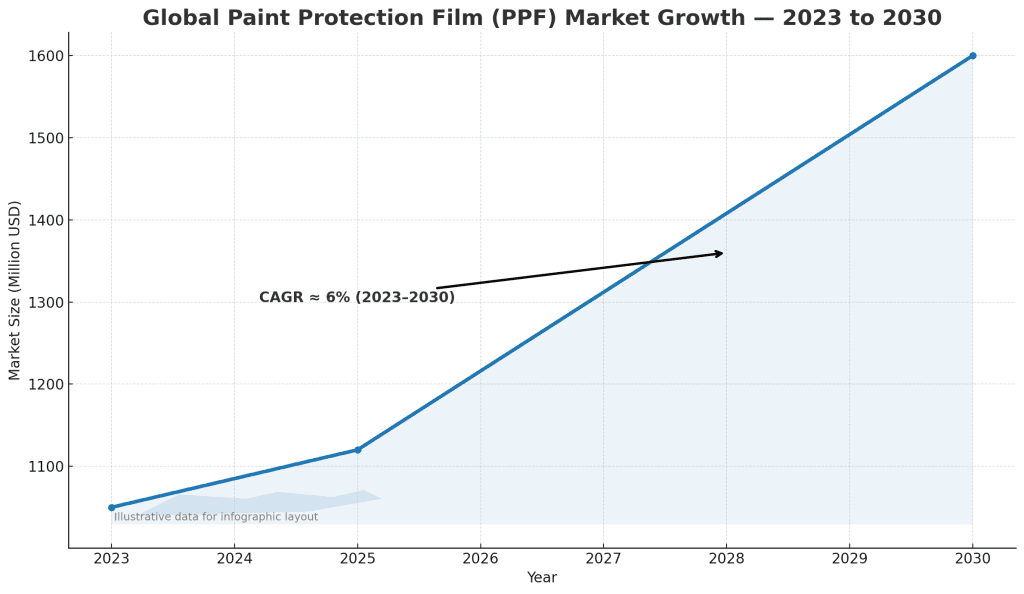
The global PPF demand continues to rise at an impressive pace. Industry research projects the paint protection film market to grow at a CAGR of around 6% from 2023 to 2030, with total revenues crossing the USD 1.1 billion mark by 2025. This isn’t just a reflection of more cars on the road—it signals the aftermarket’s transformation into a premium service industry where automotive protective films are no longer optional luxuries but standard expectations for vehicle owners who care about long-term value.
Regionally, the story is even more compelling. In North America, growth is driven by luxury car ownership, SUVs, and dealership programs that increasingly package PPF as an upsell, fueling steady aftermarket growth. Europe is shaped by regulatory pushes for sustainability, with OEM partnerships focusing on eco-friendly TPU materials and certified installers. In the Middle East, extreme climate conditions—heat, UV exposure, and sand—make PPF not just cosmetic but functional, creating consistent demand for high-end products. Meanwhile, the Asia-Pacific region is the fastest-growing market, powered by surging car ownership in China and Southeast Asia, along with rising EV adoption from brands like BYD and Tesla that boost the appetite for protective coatings.
For wholesalers, distributors, and installers, this means opportunity is global, not local. And this is exactly where Super Film stands apart. As a direct factory supplier from China, we are uniquely positioned to serve international markets with high-volume consistency, OEM-level quality, and competitive pricing that distributors can rely on. Whether it’s bulk orders for wholesale distributors, tailored products for OEM partnerships, or long-term supply agreements for regional networks, our production capacity ensures that the growth in 2025 is not just an abstract forecast—it’s a tangible business opportunity ready to be captured.

3. What is Fueling Paint Protection Film Demand in 2025?
If you’re wondering why the paint protection film (PPF) demand curve is climbing so sharply in 2025, the answer lies in a mix of automotive trends, shifting consumer behavior, and smarter business packaging. Let’s break down the real growth drivers that are transforming PPF from a niche upgrade into a mainstream expectation across automotive detailing and premium aftermarket services.
- Luxury & EV Adoption
The surge of premium cars and electric vehicles is at the heart of today’s PPF boom. Brands like Tesla, BYD, Mercedes, and BMW are no longer targeting a narrow luxury audience—they are mass-producing vehicles where high-value finishes need reliable vehicle protection. Owners of these cars are naturally drawn to EV PPF adoption because it preserves paint quality, reduces micro-scratches, and provides long-term resilience against harsh driving conditions. For installers and distributors, this trend means more customers walking through the door with higher willingness to pay for protection. - Consumer Demand for Long-Term Value
Today’s car owners are looking beyond aesthetics; they want resale value protection. A vehicle that shows fewer scratches, no yellowing, and retains factory shine will always command a stronger price in the second-hand market. This is where anti-yellowing TPU technology and advanced self-healing top coats make PPF the go-to solution. Instead of being viewed as a cost, PPF is increasingly being positioned as a value-adding investment. For shops and distributor opportunities, this shift translates into recurring demand and long-term customer loyalty. - Social Media & Detailing Culture
Platforms like Instagram, TikTok, and YouTube have created a wave of content showcasing automotive detailing transformations. Influencers and detailers demonstrate how a PPF-protected vehicle shines brighter, stays cleaner, and withstands daily wear better than untreated cars. This constant stream of content is creating organic consumer awareness and pushing demand from enthusiasts to everyday drivers. For installers, this is essentially free advertising powered by social proof. - Insurance & Dealership Add-Ons
A growing number of dealerships and insurers now recognize PPF as more than a cosmetic accessory—it’s part of the packaged solution for reducing claims, protecting OEM finishes, and boosting customer satisfaction. Dealerships are offering PPF installations bundled with new car sales, while insurance companies promote it as a proactive measure to cut repair costs. This creates a ripple effect, making PPF an embedded part of the ownership journey, not an afterthought.
In short: The core drivers of PPF growth in 2025 combine technological innovation, consumer awareness, and structural adoption by dealerships and insurers. For wholesalers, distributors, and aftermarket installers, this means the timing has never been better. The market is not only ready—it’s hungry for reliable, factory-direct supply chains that can deliver consistency and scale.
4. Manufacturing Innovations & Technology Leadership
When it comes to paint protection film (PPF) in 2025, innovation is not a buzzword — it’s the backbone of real product differentiation. The factories leading this market are not standing still; they are investing heavily in R&D, refining material science, and setting new benchmarks in precision multi-layer coating technology. Let’s dive into the cutting-edge innovations fueling the next wave of growth.
TPU-Based Films with Self-Healing Top Coats
The foundation of today’s premium PPF is TPU protection film. Unlike older PVC or PET films, thermoplastic polyurethane combines elasticity with resistance to scratches and road debris. The real breakthrough, however, is the self-healing top coat. This advanced layer uses polymer memory to “heal” swirls, micro-scratches, and light abrasions when exposed to heat. For installers and car owners, that means a flawless finish that restores itself — extending both resale value protection and customer satisfaction.
Nano-Ceramic Integration for Heat Rejection & UV Stability
Heat rejection and UV stability have become just as important as rock-chip protection. That’s where nano-ceramic coating technology comes in. By embedding microscopic ceramic particles into the PPF layers, films can achieve high infrared rejection, UV resistance, and maintain long-term color stability. This innovation ensures that films remain haze-free with high-definition clarity, even after years of exposure to harsh sunlight in climates like the Middle East or Southeast Asia.
Graphene-Infused Coatings for Extreme Durability
Graphene is no longer a laboratory experiment — it’s entering the automotive film world. Graphene film technology enhances tensile strength, boosts resistance against oxidation, and creates a superior hydrophobic surface. The result? PPF that not only repels water and dirt more efficiently but also resists discoloration, cracking, and adhesive breakdown. For distributors and installers, graphene-infused films mean fewer warranty claims and higher trust in premium aftermarket services.
Precision Coating Machinery & Optical Clarity
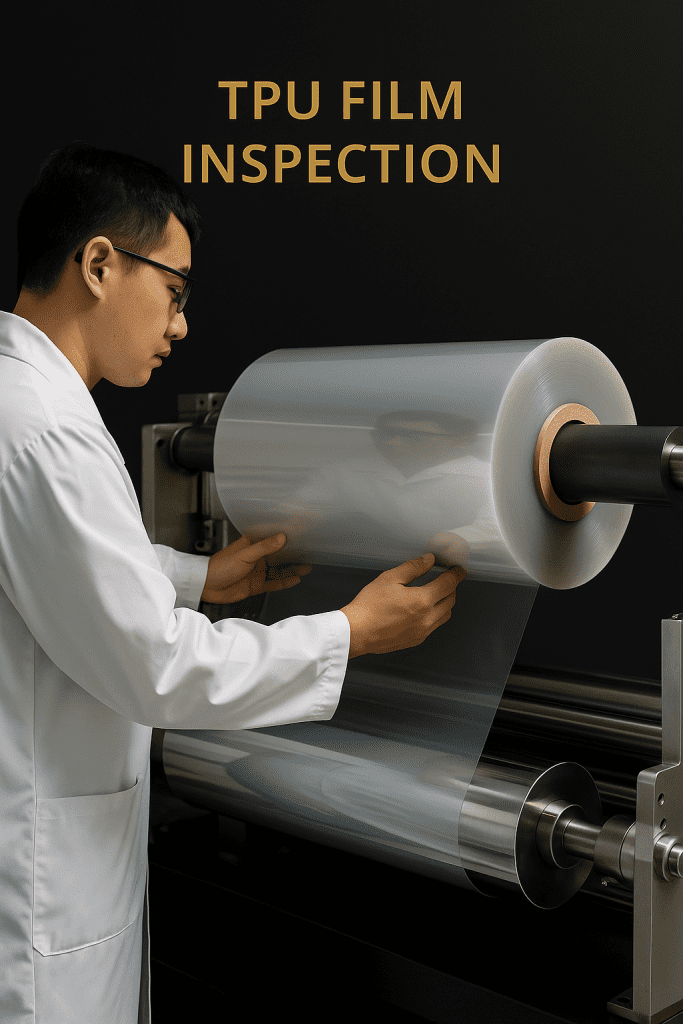
Another game-changer is the rise of precision multi-layer coating machines. These advanced lines, often built in ISO-certified factories, apply TPU, adhesive, and topcoat layers with nanometer accuracy. The outcome is a perfectly uniform film: no bubbles, no streaks, no haze. This innovation guarantees high-definition clarity, making films nearly invisible after installation — exactly what luxury car owners demand. Add RoHS compliance to the mix, and it’s clear that sustainability is being baked into manufacturing standards as well.
5. Why should installers, shops, and distributors invest in PPF now?
Think about this: the automotive aftermarket is crowded, and margins on traditional services like window tint or routine detailing are shrinking year after year. Customers expect more, competitors keep lowering prices, and your shop has to fight harder to stand out. The question is—where will your next big profit engine come from?
That’s where paint protection film (PPF) enters the picture. By 2025, PPF has shifted from being a luxury accessory to a mainstream profit driver. Let’s break it down by the type of B2B buyer:
1. Auto repair & detailing shops → Expanding margins with premium add-ons
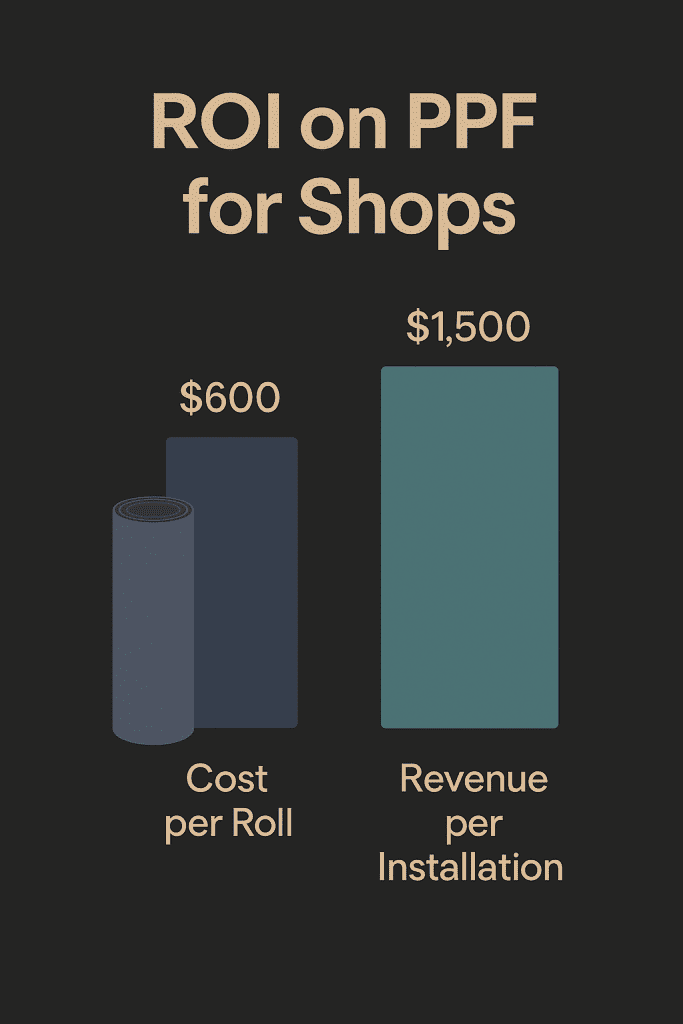
For detailing shops, offering PPF add-ons is no longer optional—it’s the natural next step in business growth. Instead of relying solely on polishing or ceramic coatings, shops can upsell a PPF package that adds significant revenue per vehicle. Clients are willing to pay more for scratch resistance, rock chip defense, and resale value protection—and that translates directly into higher profit margins per job.
Keywords woven in: auto detailing shops, PPF ROI, business profitability
2. Car modification shops → Unlocking customization trends
Modification isn’t just about performance parts anymore—it’s about personalization. Car owners, especially EV drivers and luxury enthusiasts, want matte, gloss, or even colored PPF options that combine aesthetics with protection. For modification shops, PPF creates a whole new customization lane: protecting paintwork while delivering a unique finish that keeps customers coming back for more.
Keywords woven in: car modification shops, customization, PPF ROI
3. Wholesalers & distributors → Building stability and OEM pathways
For wholesale distributors, 2025 is the moment to lock in factory-direct supplier relationships. Demand for PPF is climbing across markets, and shops are searching for reliable distributors that can guarantee consistent quality, ISO-certified films, and OEM/ODM manufacturing support. By aligning with a direct factory, distributors position themselves for stable long-term growth, supplying both independent shops and larger OEM deals.
Keywords woven in: wholesale distributors, OEM/ODM manufacturing, factory-direct supplier
✅ The Bottom Line for B2B Buyers
2025 is the turning point because PPF is no longer a niche—it’s becoming the must-have profit center for auto businesses. Whether you’re a small detailing shop, a car modification specialist, or a wholesale distributor, the numbers speak for themselves:
- Higher ROI per vehicle → margins expand instead of shrinking.
- Wider service portfolio → shops differentiate from local competition.
- Future-proof growth → OEM demand and consumer awareness keep rising.
6. Challenges & Solutions
Even though the paint protection film market is on a steep growth curve in 2025, every opportunity comes with its own set of challenges. For installers, shops, and distributors, acknowledging these barriers—and choosing the right solutions—is what separates sustainable growth from short-term struggles.
1. High Consumer Price Barrier
Let’s face it: premium PPF is not cheap. For many car owners, especially those new to automotive detailing, the upfront cost can feel intimidating. A high-performance TPU protection film with superior adhesive performance and yellowing resistance may be worth the investment, but if customers can’t justify the price, adoption slows down.
Solution? Smart shops are already bundling PPF with window tint or ceramic coating packages, offering financing options, or framing the purchase as resale value protection
2. Installer Training Gap
Another challenge lies in installation skills. Unlike standard vinyl wraps, PPF demands precision, knowledge of adhesive behavior, and advanced techniques to avoid bubbles or distortion. Too often, businesses miss out on profitability simply because their teams lack proper training.
Solution? Manufacturers like Super Film
3. Counterfeit & Low-Quality Films
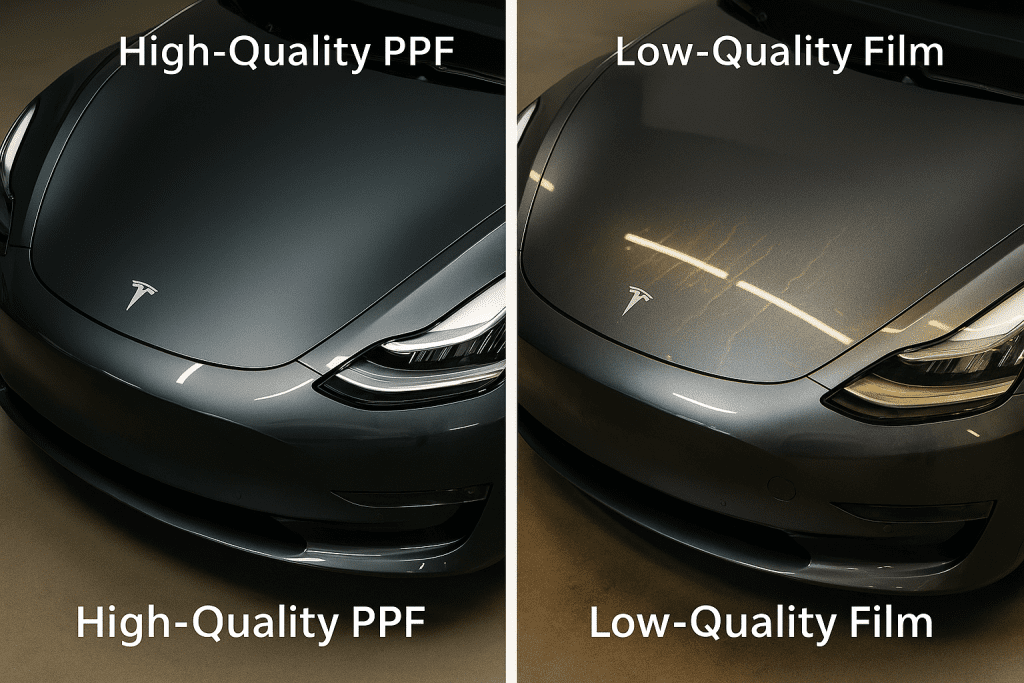
The rise of PPF demand has unfortunately opened the door for fake or low-grade products. Counterfeit PPF risks include poor adhesive performance, weak yellowing resistance, and premature failure—all of which damage customer trust and hurt supplier reliability.
Solution? The answer lies in strict adherence to ISO-certified, CE, and RoHS compliant
👉 In short, the PPF industry’s 2025 growth is not about avoiding obstacles but about strategically overcoming them
Keywords embedded: installer training, adhesive performance, yellowing resistance, counterfeit PPF risks, OEM standards, supplier reliability, quality assurance.
7. The Future of Paint Protection Film Beyond 2025
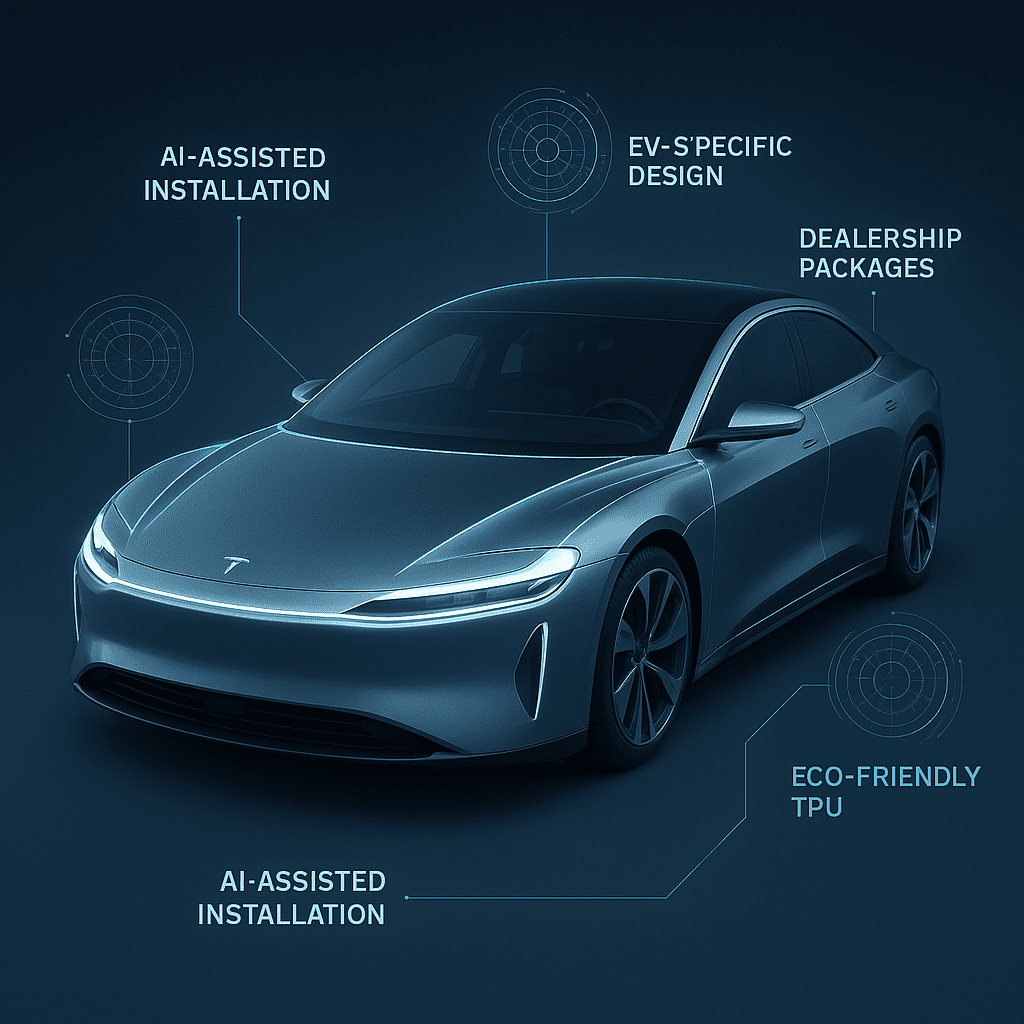
What does the road ahead look like for paint protection films after 2025? The market isn’t slowing down—it’s accelerating into a smarter, greener, and more integrated future. For installers, distributors, and car owners, the next wave of automotive innovation 2025 will redefine how PPF is designed, sold, and applied.
AI-Assisted Cutting & Installation
Imagine a world where installers no longer struggle with manual templates or uneven edges. With AI cutting software, shops can achieve pixel-perfect precision in seconds. These systems will reduce waste, improve fitment accuracy, and dramatically cut down installation time. For businesses, that means more cars serviced per day—and higher profitability without sacrificing quality.
EV-Specific PPF Designs
The rise of EV aftermarket solutions is pushing PPF manufacturers to create new film patterns specifically for electric vehicles. Think about Teslas, BYD, and Rivian models with their unique curves and larger glass surfaces. EV-specific PPF designs will cater to both protection and efficiency, ensuring minimal drag, optimized aerodynamics, and tailored coverage for battery-sensitive zones.
Integration into Dealership Packages
Dealerships are beginning to realize that smart protection films aren’t just an aftermarket add-on—they’re a value driver at the point of sale. By 2026, it’s expected that more OEMs and dealerships will include factory-backed PPF packages for new cars. This means more business opportunities for wholesalers and OEM/ODM suppliers, as PPF becomes a standard offering instead of a niche upgrade.
Eco-Friendly TPU Evolution
Sustainability is no longer optional. The future belongs to eco-friendly PPF built with sustainable TPU that reduces environmental impact while maintaining the same high-definition clarity and protection. Expect to see next-generation films that are biodegradable, recyclable, and fully compliant with green regulations, allowing businesses to serve both performance-driven and eco-conscious customers.
🔑 Takeaway: Beyond 2025, the future of PPF will be smarter (AI-assisted), more specialized (EV-focused), more mainstream (dealership integrated), and more sustainable (eco-friendly TPU). For shops and distributors, keeping up with these trends isn’t just optional—it’s the key to staying relevant and profitable in the evolving future of automotive films.
8. Conclusion – Why Partner with Super Film
As we look across the global paint protection film (PPF) industry in 2025, the signals are clear: consumer awareness, electric vehicle adoption, and OEM partnerships are converging to create the fastest-growing aftermarket segment in automotive protection. From North America to the Middle East, from Europe to Asia-Pacific, distributors and installers are positioning themselves to capture the rising demand for premium automotive protective films.
But while growth is inevitable, the real question is this: who will be your partner in turning opportunity into profit?
Why Super Film Is the Factory Partner You Need
Super Film is not a distributor or a middleman — we are a direct PPF manufacturer in China with over 10 years of industry expertise. That means when you choose us, you’re working with the source, not a reseller. Here’s what sets us apart:
- Factory-Direct Advantage
By sourcing directly from an ISO-certified, RoHS-compliant factory, you eliminate unnecessary layers of cost. This means factory-direct pricing, faster order fulfillment, and consistent quality assurance you can rely on. - TPU Nano-Ceramic PPF Production
Our advanced production line combines TPU-based films with nano-ceramic technology, ensuring superior optical clarity, scratch resistance, and yellowing resistance — all critical to today’s premium paint protection film demand. - OEM & ODM Customization
Whether you’re a wholesaler, distributor, or shop owner, we offer full OEM/ODM PPF manufacturing support. From custom branding and packaging to tailored roll sizes, Super Film equips partners with everything needed to compete in international markets. - Trusted by Wholesalers & Distributors Worldwide
Our wholesale partnerships are built for scalability. With bulk supply capabilities, marketing support, and global logistics, we help distributors grow steadily while ensuring installers have a reliable PPF supplier in China.
Your Next Step – Seize the 2025 Growth Wave
2025 isn’t just another year — it’s the turning point for B2B buyers in the PPF market. Shops that integrate PPF now will expand profit margins, distributors who secure OEM deals will dominate their regions, and partners aligned with manufacturers like Super Film will capture the market before competitors.
👉 Work directly with the manufacturer — reduce costs, increase quality, and ride the 2025 PPF growth wave with Super Film.